As an Amazon Associate, we may earn from qualifying purchases. Links in this article may be affiliate links.
Introduction
Finding the right words to express sympathy when sending flowers can feel overwhelming. A short sympathy message for flowers must convey comfort, respect, and compassion—yet fit within the small space of a card. This guide will help you choose or craft meaningful, concise messages that offer genuine support during difficult moments.
Whether you’re sending condolences to a close friend, family member, coworker, or acquaintance, the words you choose matter. The following sympathy messages will help you communicate care and thoughtfulness with sincerity and grace.

If you’re still choosing how to send your message, you may find it helpful to keep a set of simple blank sympathy cards with envelopes on hand so you can personalize each note with ease.
| Do’s | Don’ts |
|---|---|
| Keep messages brief and sincere | Avoid clichés or minimizing grief |
| Express genuine emotions | Don’t compare grief experiences |
| Offer specific support | Avoid religious references unless appropriate |
1. Classic and Timeless Messages
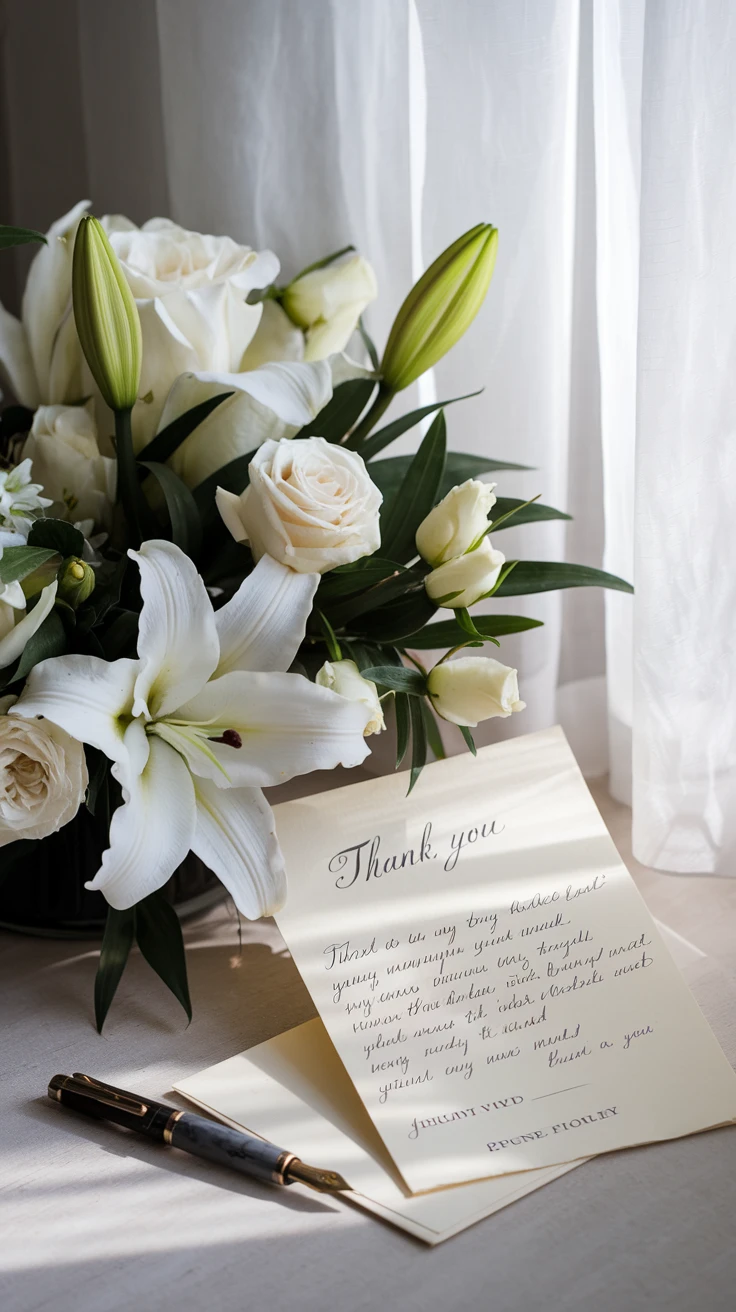
Classic sympathy messages are universal because they express care in a warm, respectful, and widely acceptable way. These timeless messages work in almost any situation and are perfect when you’re unsure what to say but still want to show heartfelt support.
- “With deepest sympathy and care”
- “Thinking of you in these difficult times”
- “Sending love and strength your way”
- “With heartfelt condolences”
These phrases are appropriate for nearly any recipient and provide comfort without worrying about tone or context. They pair especially well with simple white lilies, roses, or mixed bouquets.

View on AmazonAs an Amazon Associate, I earn from qualifying purchases.

View on AmazonAs an Amazon Associate, I earn from qualifying purchases.
Pro tip: Adding the recipient’s name can make even a simple message feel more personal and genuine.
To keep things simple, you can use a set of elegant, pre-designed classic sympathy cards with envelopes that leave space for your short, timeless message.
2. Religious Comfort Messages

For recipients who find strength in faith, religious sympathy messages can bring deep comfort. These messages gently acknowledge God’s presence, peace, and care in a time of loss. Use them when you’re confident that spiritual language will be well received.
- “Keeping you in our prayers”
- “May God’s peace be with you”
- “In God’s loving care”
- “Blessed are those who mourn”
Faith-based messages can offer a sense of spiritual grounding and hope during grief. They work especially well alongside lilies, white roses, or soft pastel arrangements.
Pro tip: When in doubt about someone’s beliefs, choose a neutral, secular message instead.
If you’d like to send something beyond flowers, consider pairing your message with a thoughtful religious sympathy gift such as a scripture plaque, cross ornament, or devotional book.
3. Personal and Heartfelt Notes

Heartfelt messages are often the most meaningful because they reflect your personal connection to the bereaved and to the loved one they’ve lost. These notes show that you’re not just sending flowers—you’re sharing a piece of your heart.
- “Your strength inspires us all”
- “[Name] brought such joy to everyone”
- “Sharing in your sorrow”
- “Your family is in my thoughts”
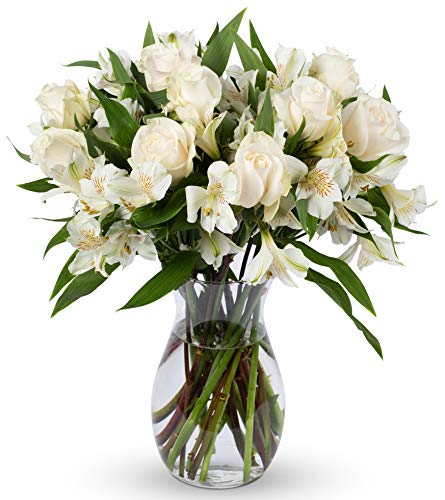
These messages work beautifully when you mention the person by name or refer to a special quality they had, even in just a few words.

View on AmazonAs an Amazon Associate, I earn from qualifying purchases.
View on AmazonAs an Amazon Associate, I earn from qualifying purchases.
Pro tip: Mentioning one meaningful memory or admirable trait of the deceased can make your message truly special, even if it’s just a single sentence.
To match the personal tone of your message, you might choose a small, engraved keepsake or photo frame. Look for personalized sympathy gifts that can include a name, date, or short quote.
4. Messages for Close Family Members
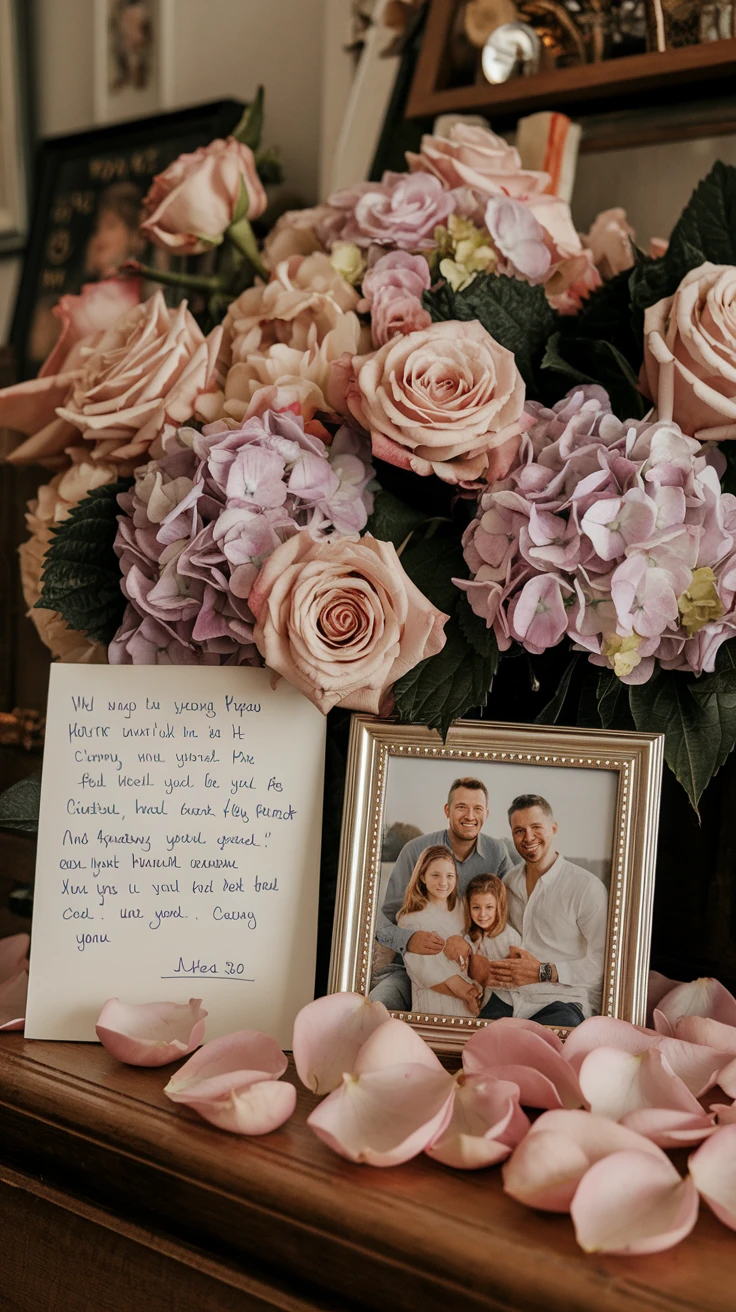
When writing to immediate family members, your message can be more intimate, emotional, and specific. These notes acknowledge the depth of the loss and your shared connection to the person who has passed.
- “We’re family – here for you always”
- “Loving you through this difficult time”
- “Your [relation] was so special to us all”
- “Our hearts break with yours”
These messages honor the closeness of your relationship and show that you’re grieving alongside them, not just observing from afar.

View on AmazonAs an Amazon Associate, I earn from qualifying purchases.

View on AmazonAs an Amazon Associate, I earn from qualifying purchases.
Pro tip: Include a sincere offer of support—meals, childcare, errands, or simply being present can mean more than you realize.
For close family, a comforting gesture like a cozy throw or care package can be meaningful. Consider sending a thoughtful sympathy gift box for families alongside your flowers and handwritten note.
5. Professional Sympathy Messages
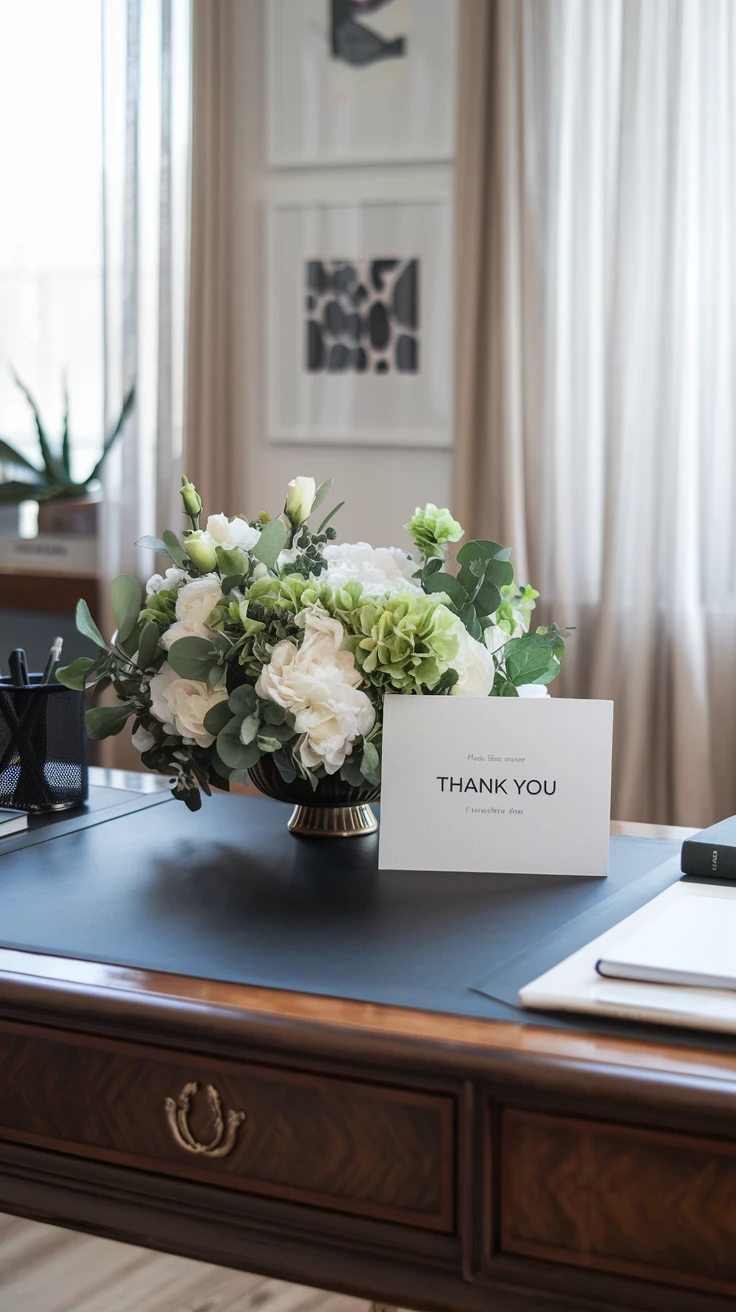
Professional sympathy messages should remain respectful and supportive while maintaining appropriate boundaries. These are ideal for coworkers, clients, managers, or team members.
- “Extending our sincere condolences”
- “Our thoughts are with you and your family”
- “Please accept our heartfelt sympathy”
- “Thinking of you during this difficult time”
These messages convey empathy and care without becoming overly personal or emotional, making them suitable for card messages from an individual or a group.
Pro tip: When sending on behalf of a team, include the company or department name to show collective support (for example, “From your friends in the Marketing Department”).
To accompany a card from a workplace, a neutral plant or gift basket is often appreciated. You might consider corporate sympathy gift baskets that can be shared with the family.
6. Messages Offering Support

Sometimes the greatest comfort comes from knowing you’re not alone. Support-focused sympathy messages emphasize your ongoing presence, not just a one-time gesture.
- “Here for you, whenever you need”
- “Supporting you through this journey”
- “Just a call away, day or night”
- “We’re here to help in any way”
These messages are especially meaningful when you genuinely plan to check in and follow through with help after the flowers arrive.
Pro tip: Follow through on your message by offering specific types of help, such as “I can bring dinner next week” or “I’m happy to help with school pick-ups.”
To reflect your ongoing support, you could pair your message with a comforting item like a calming candle or self-care package. Search for comfort sympathy gift boxes that encourage rest and care.
7. Messages Honoring Memory
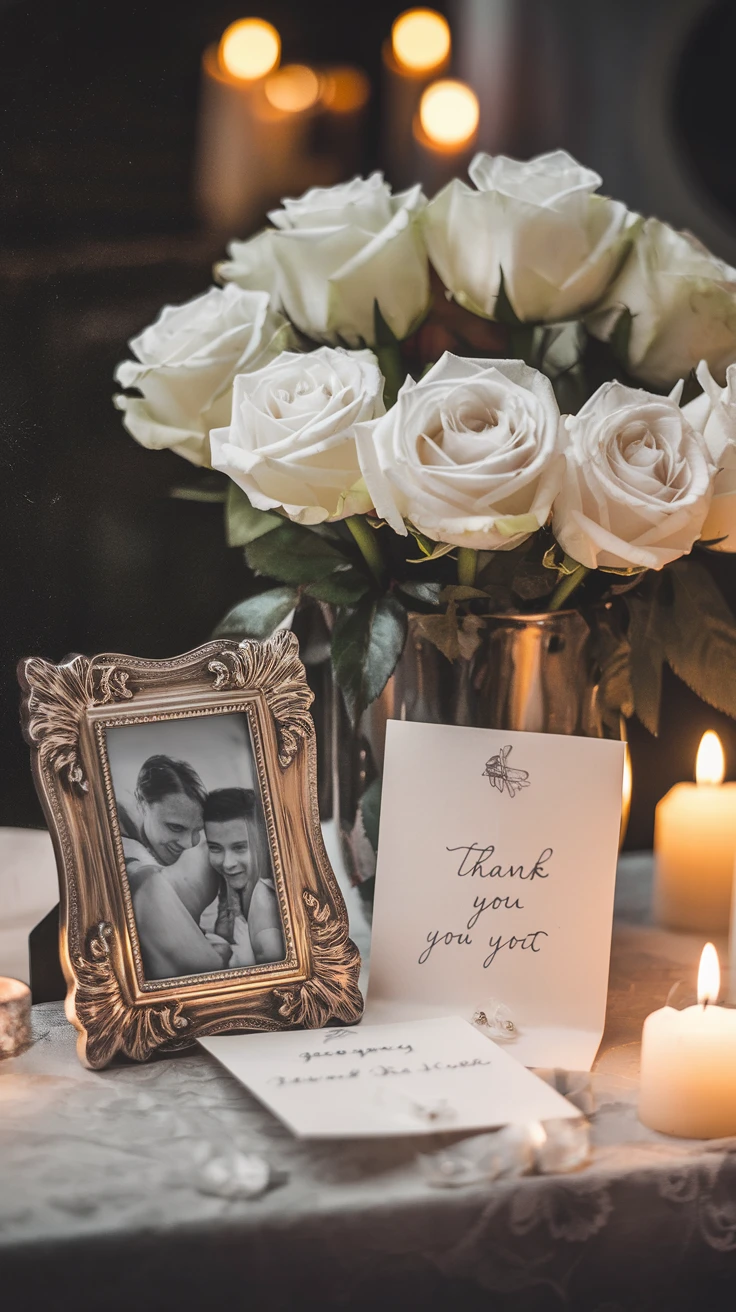
Messages that honor the life and legacy of the deceased can be deeply comforting. They gently shift focus from loss alone to the beautiful memories and impact that remain.
- “A life so beautifully lived”
- “Celebrating a remarkable spirit”
- “Their legacy lives on”
- “Forever in our hearts”
These messages can be especially meaningful when paired with flowers that held special meaning for the person who has passed.
Pro tip: Adding a specific descriptor—such as “kind,” “brave,” “joyful,” or “generous”—adds warmth and authenticity (for example, “A generous spirit, forever in our hearts”).
To create a lasting tribute, you might pair your note with a keepsake like a lantern, frame, or wind chime. Look for thoughtful memorial lantern gifts that the family can display at home.
8. Nature-Inspired Sympathy Notes
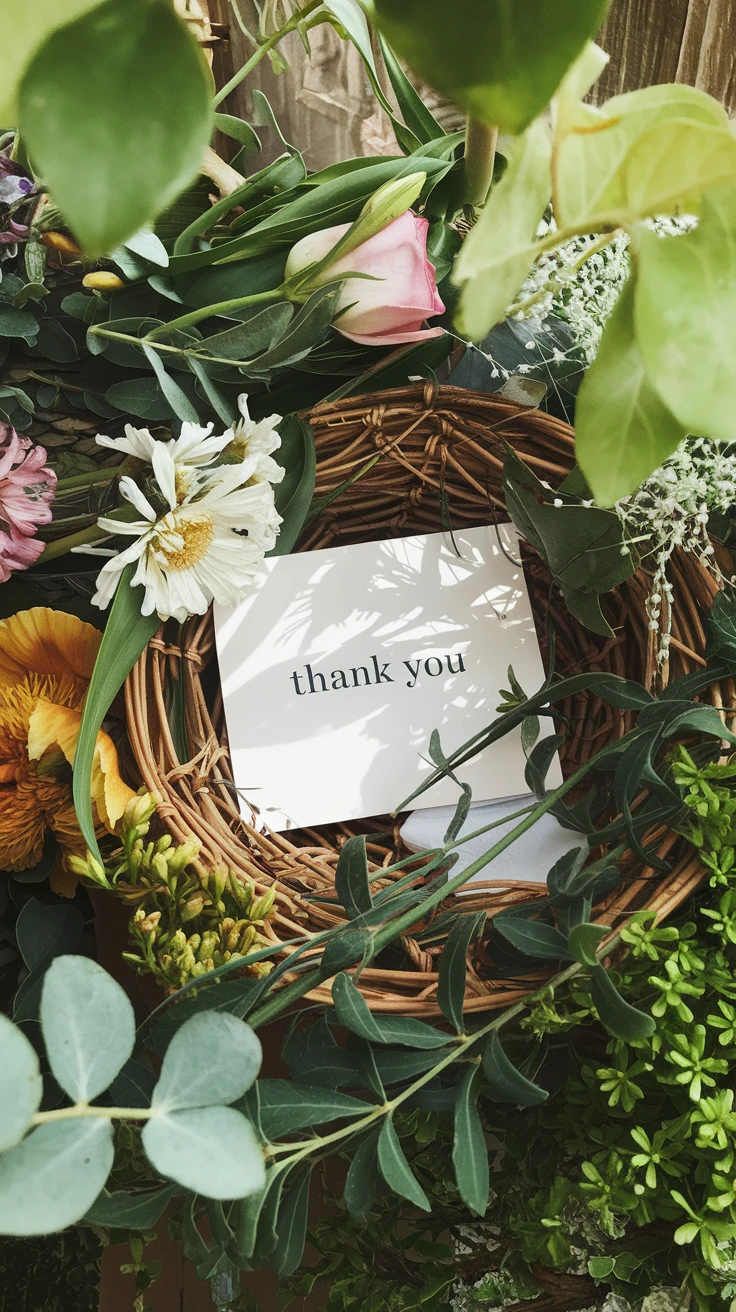
Nature-themed sympathy messages are gentle, poetic, and pair beautifully with flower arrangements. They offer comfort by connecting grief with images of growth, seasons, and renewal.
- “Like these flowers, may memories bring beauty”
- “Peace blooms in loving memories”
- “May nature’s beauty bring you peace”
- “Growing in love and remembrance”
These messages work especially well when you’re sending garden-style arrangements, wildflowers, or outdoor plants.
Pro tip: Tailor the message to the type or color of flowers—for example, “Like these white lilies, may peace and love surround you.”
If your recipient loves the outdoors, consider pairing your note with a meaningful garden stone or keepsake. You can find nature-inspired memorial stones that can be placed in a garden or special outdoor space.
9. Messages of Peace and Healing

Messages centered on peace and healing can bring hope, especially during the early stages of grief. They gently acknowledge pain while pointing toward gradual comfort.
- “Wishing you peace and strength”
- “May comfort find you each day”
- “Sending healing thoughts”
- “Finding peace in precious memories”
These phrases are ideal for flower cards when you want to be supportive without going into great detail.
Pro tip: A gentle reminder that healing takes time can be both comforting and validating for someone who is grieving.
For an added gesture of care, you might send a small journal or guided grief workbook so they can process emotions privately. Look for grief journals for healing that encourage reflection and gentle self-care.
10. Universal Sympathy Phrases

Universal sympathy messages are safe, appropriate, and comforting in nearly any situation. They’re especially useful when you don’t know the bereaved well or are writing on behalf of a group.
- “With deepest sympathy”
- “Sharing in your sorrow”
- “Thinking of you”
- “With loving thoughts”
These short phrases are easy to fit on a small card and work with any type of floral arrangement.
Pro tip: Adding a name—yours or theirs—adds warmth while keeping the note brief (for example, “With deepest sympathy, Sarah”).
If you’d like to keep a few options on hand, consider a mixed set of simple, neutral assorted sympathy cards that work for many different situations.
Key Takeaways
- Keep messages brief but meaningful
- Consider your relationship with the recipient
- Be sincere in your expression of sympathy
- Avoid clichés and potentially insensitive phrases
- Offer specific support when appropriate
Conclusion
Writing a short sympathy message for flowers doesn’t have to feel daunting. The most important thing is the compassion behind your words. Choose a message that feels authentic, sincere, and considerate of the situation. Even a few heartfelt words can bring comfort and remind the bereaved that they are not alone. When in doubt, keep your message simple and genuine—and trust that your thoughtful gesture, flowers, and card will be appreciated.
Frequently Asked Questions
How long should a sympathy message be?
A flower card message is typically 10–20 words or 2–3 short sentences. Space is limited, so simplicity matters.
What should I avoid writing in a sympathy message?
Avoid comparing grief, using clichés, or telling someone how they should feel. Also avoid religious references unless you’re sure they’re welcome.
Is it appropriate to include religious messages?
Only if you’re confident about the recipient’s faith. If you’re unsure, choose a neutral message instead.
How do I sign a sympathy card?
Use your full name and, if needed, your relationship to the bereaved. For example: “With love, John Smith (Mary’s cousin).”
Can I include a quote in my sympathy message?
Yes, but keep it brief. Many quotes are too long for flower cards, so choose something short and appropriate.
What if I didn’t know the deceased well?
Focus on supporting the bereaved rather than referring to the deceased directly. A simple “Thinking of you” works well.
Should I mention specific memories?
If the memory is meaningful and can be expressed briefly, it can make your message more personal—just keep it concise.
How do I write to someone who lost a spouse?
Acknowledge the deep bond and offer heartfelt support. For example: “John was a wonderful husband. We’re here for you.”
Is it okay to send sympathy flowers late?
Yes. Sending flowers weeks later shows continued support and can still offer comfort.
How can I make my message more personal?
Use names, reference your relationship, or acknowledge a meaningful trait of the deceased in one simple phrase.