
As an Amazon Associate, we may earn from qualifying purchases. Links in this article may be affiliate links.
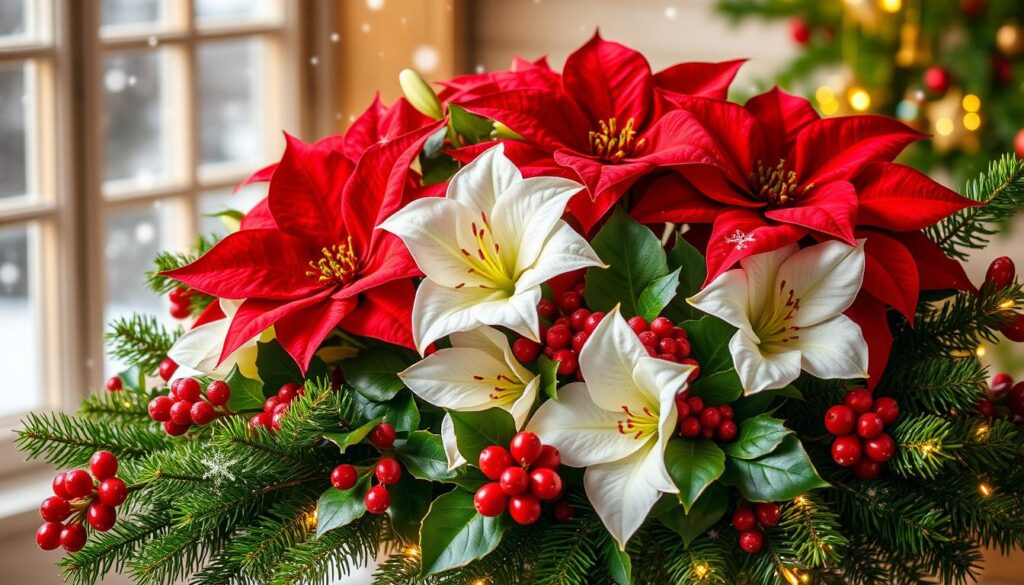
As the festive season approaches, decorating our homes with Christmas flowers is a beloved tradition. Whether it’s a stunning poinsettia, a bold amaryllis, or a delicate paperwhite narcissus, each holiday plant has its own care needs. This guide will help you keep your festive blooms looking fresh, from choosing the right varieties to watering, lighting, and long-term care.
By following these simple tips, you can enjoy the beauty of your holiday flowers for weeks instead of days – adding color, fragrance, and a little Christmas magic to every corner of your home.
Key Takeaways
- Choose Christmas flowers that match your home’s light, temperature, and lifestyle (including pets and kids).
- Check soil with your finger before watering – most problems come from overwatering, not neglect.
- Keep plants away from drafts, fireplaces, and heating vents to prevent stress and dropped leaves or buds.
- Use bright, indirect light for most holiday plants; only a few (like amaryllis) enjoy direct sun.
- With the right after-Christmas care, many holiday plants can rebloom next year instead of being thrown away.
Choosing the Right Christmas Flowers for Your Home
Decorating your home with festive flowers is one of the easiest ways to create that cozy holiday feeling. There are many Christmas plants to choose from, each with its own look and care needs. Picking varieties that match your home’s conditions will make them last longer and require less work.

Popular Christmas Flower Varieties
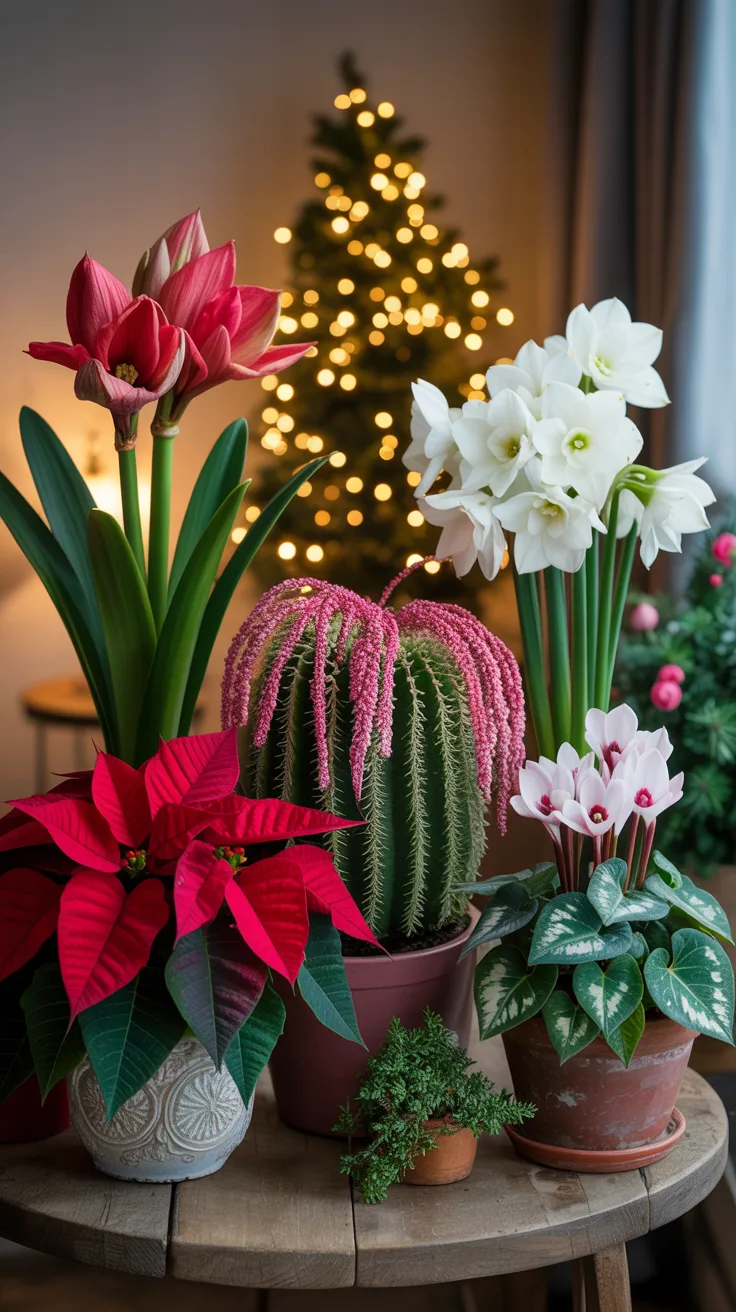
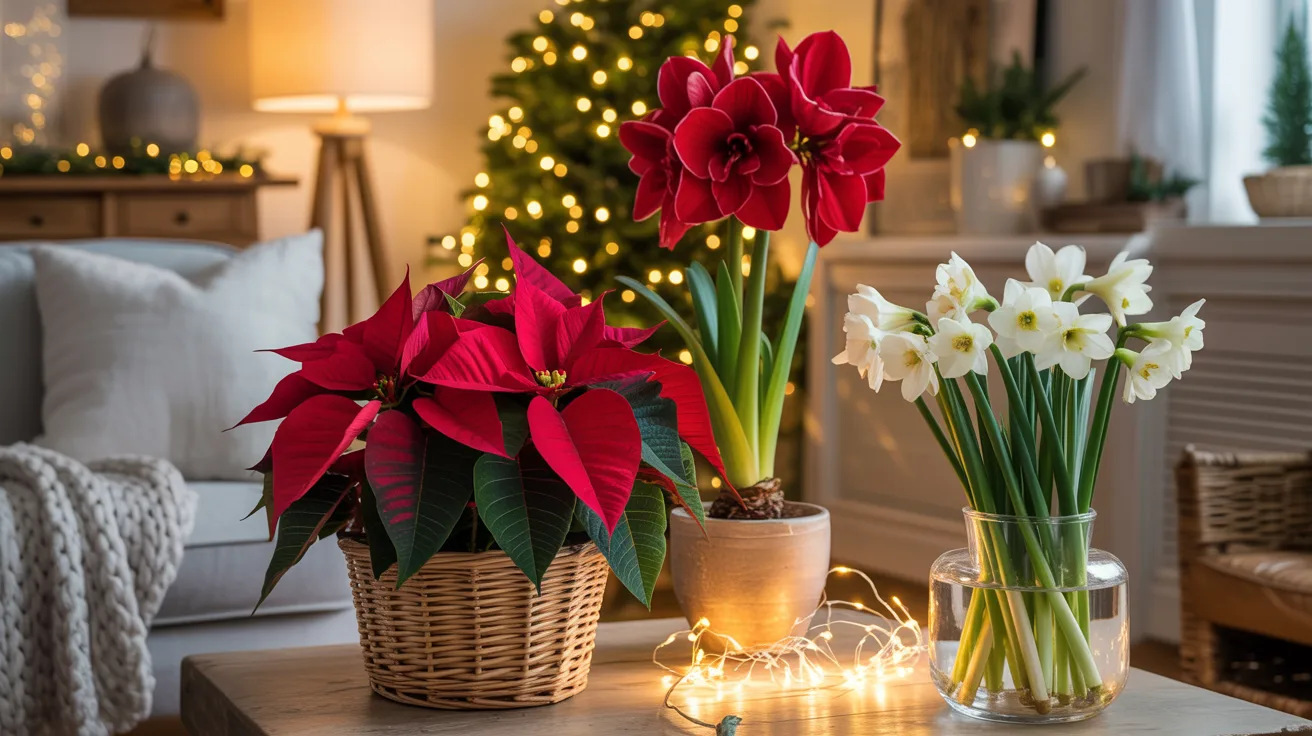
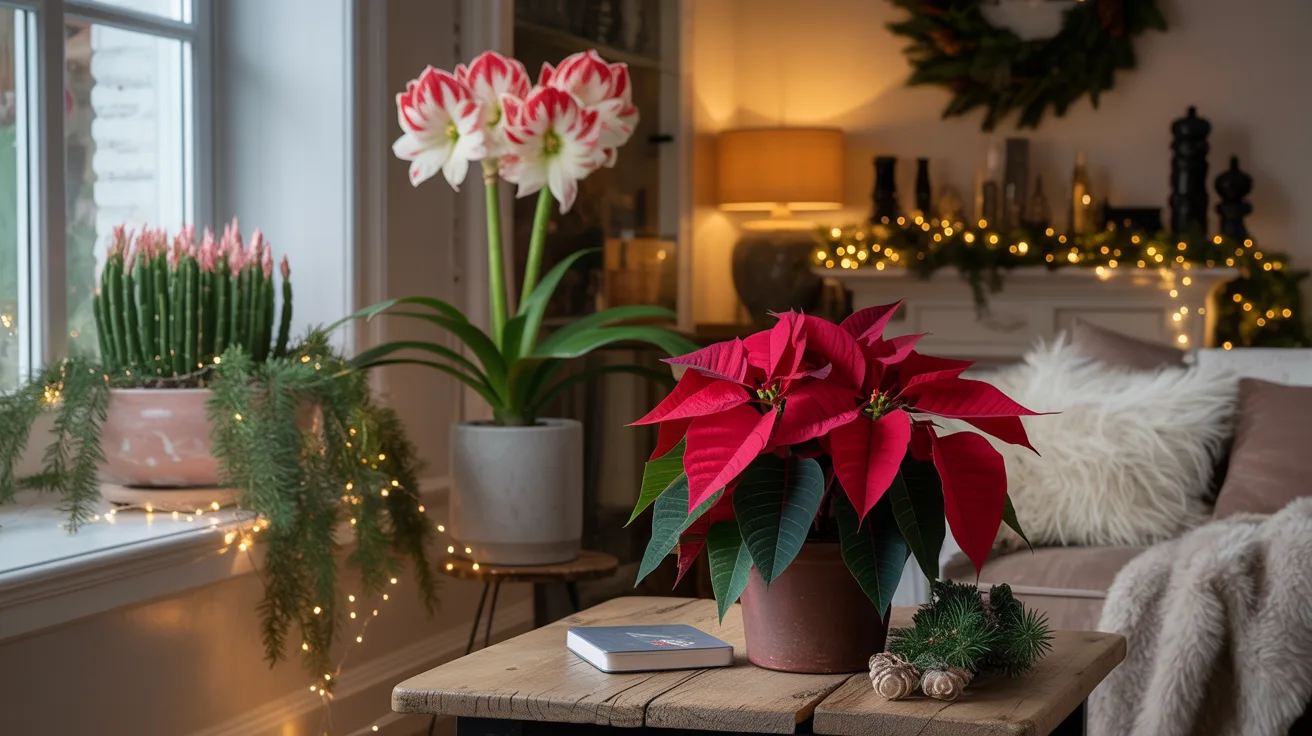
- Poinsettia – The classic Christmas flower with red, white, pink, or marbled bracts. Available in many sizes from mini pots to large floor plants.
- Amaryllis – Large, trumpet-shaped blooms in red, white, pink, or striped varieties. Often sold as bulbs in decorative pots or kits.
- Christmas cactus – A long-lived houseplant that produces cascades of pink, red, orange, or white blooms around the holidays.
- Paperwhite narcissus – Elegant white flowers grown from bulbs indoors in soil, pebbles, or decorative glass containers.
- Cyclamen – Heart-shaped leaves and delicate flowers in pink, red, and white that prefer cool rooms and bright, indirect light.

View on AmazonAs an Amazon Associate, I earn from qualifying purchases.

View on AmazonAs an Amazon Associate, I earn from qualifying purchases.
Factors to Consider When Choosing
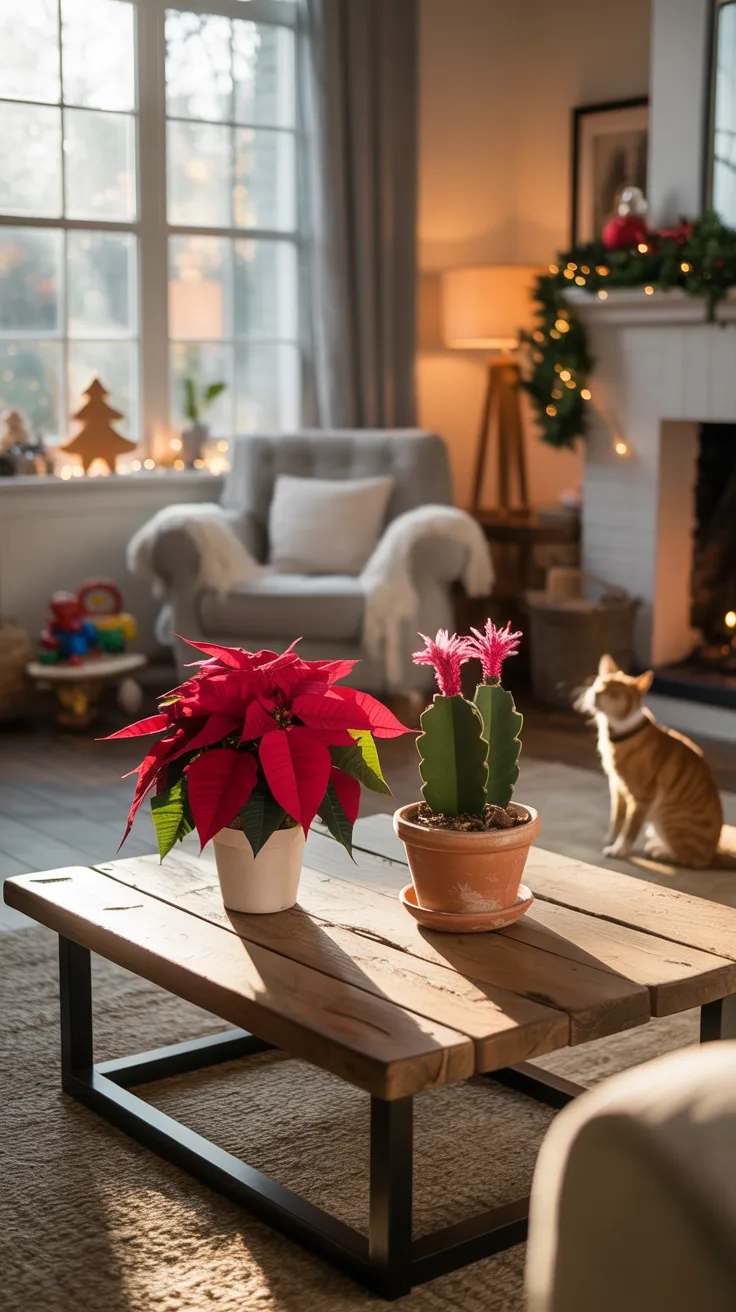
Before you bring holiday plants home, take a quick look at your space and lifestyle:
- Light: Do you have sunny windows, or is your home mostly shaded?
- Temperature: Is the room cool and comfortable, or very warm from heaters and fireplaces?
- Pets and children: Poinsettias are mildly toxic if eaten, and lilies are highly toxic to cats.
- Maintenance level: Christmas cacti and amaryllis are great for plant lovers; paperwhites are perfect if you want “plant and forget.”
Pro tip: If you’re not sure what will work best, start with one poinsettia and one Christmas cactus. They both offer lots of color but have very different care needs, so you can see which one you enjoy more.
Seasonal Availability
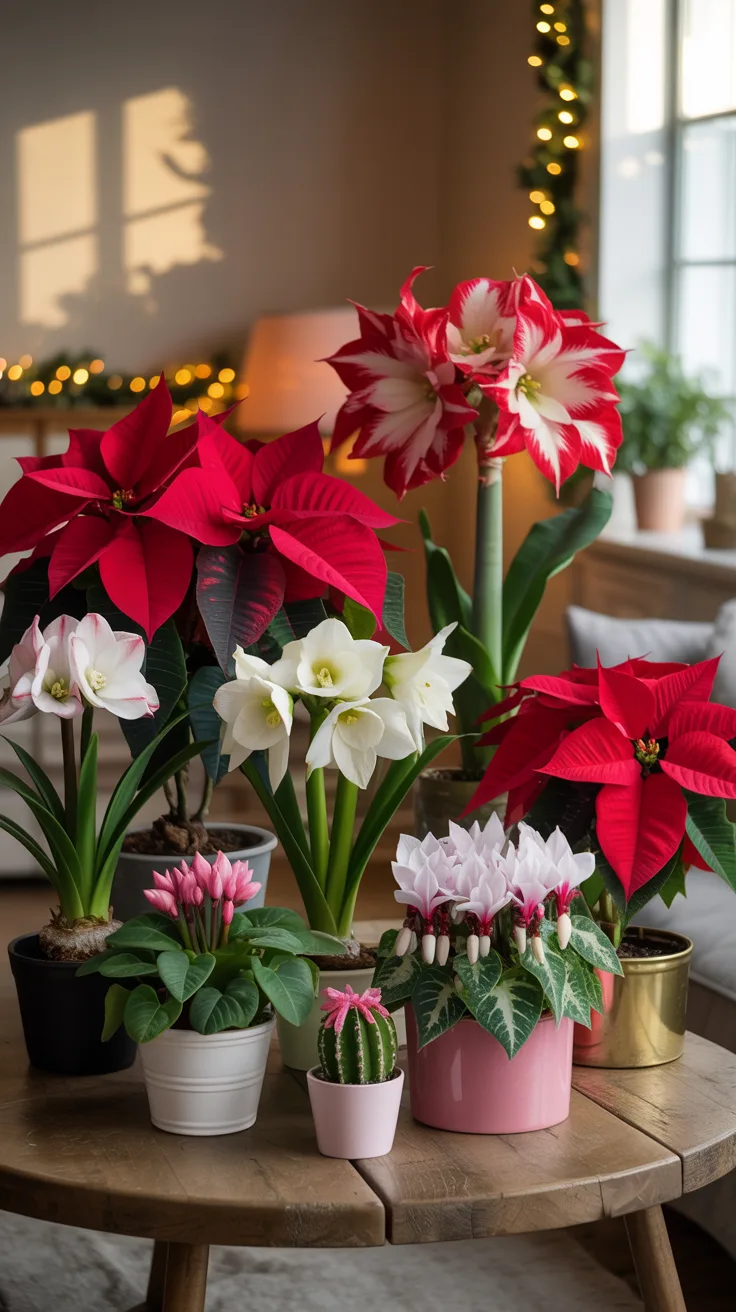
Most Christmas plants are easiest to find from late November through December:
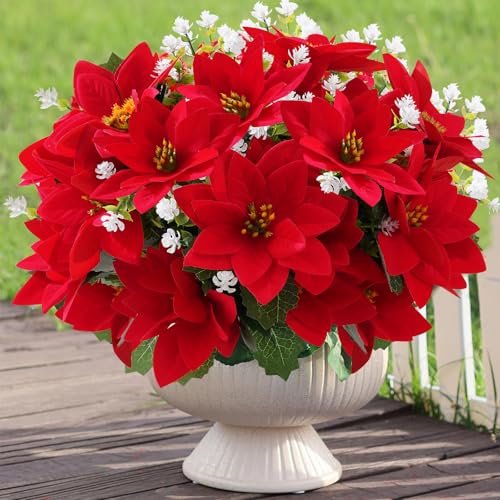
- Poinsettias: widely available in grocery stores, garden centers, and florists.
- Amaryllis & paperwhites: often sold as bulbs or ready-to-bloom kits in early winter.
- Christmas cactus & cyclamen: common in garden centers and indoor plant shops around the holidays.

View on AmazonAs an Amazon Associate, I earn from qualifying purchases.
View on AmazonAs an Amazon Associate, I earn from qualifying purchases.
Shop earlier in the season for the best selection, especially if you want specific colors or large statement plants.
Quick Care Guide for the Most Popular Christmas Flowers
| Plant | Light | Water | Temperature |
|---|---|---|---|
| Poinsettia | Bright, indirect light | Keep soil lightly moist, never soggy | 65–75°F (18–24°C); avoid drafts |
| Amaryllis | Bright light, some direct sun is ideal | Water when top inch is dry | 60–70°F (16–21°C) |
| Christmas cactus | Bright, indirect or filtered light | Let top 1–2 inches dry between waterings | 60–70°F (16–21°C); avoids sudden changes |
| Paperwhites | Bright, indirect light | Keep roots just moist, not flooded | 50–65°F (10–18°C) for longer bloom time |
Helpful tool: If you struggle to tell when soil is dry, a simple
soil moisture meter
can take the guesswork out of watering. As an Amazon Associate, I earn from qualifying purchases.
Proper Watering Techniques
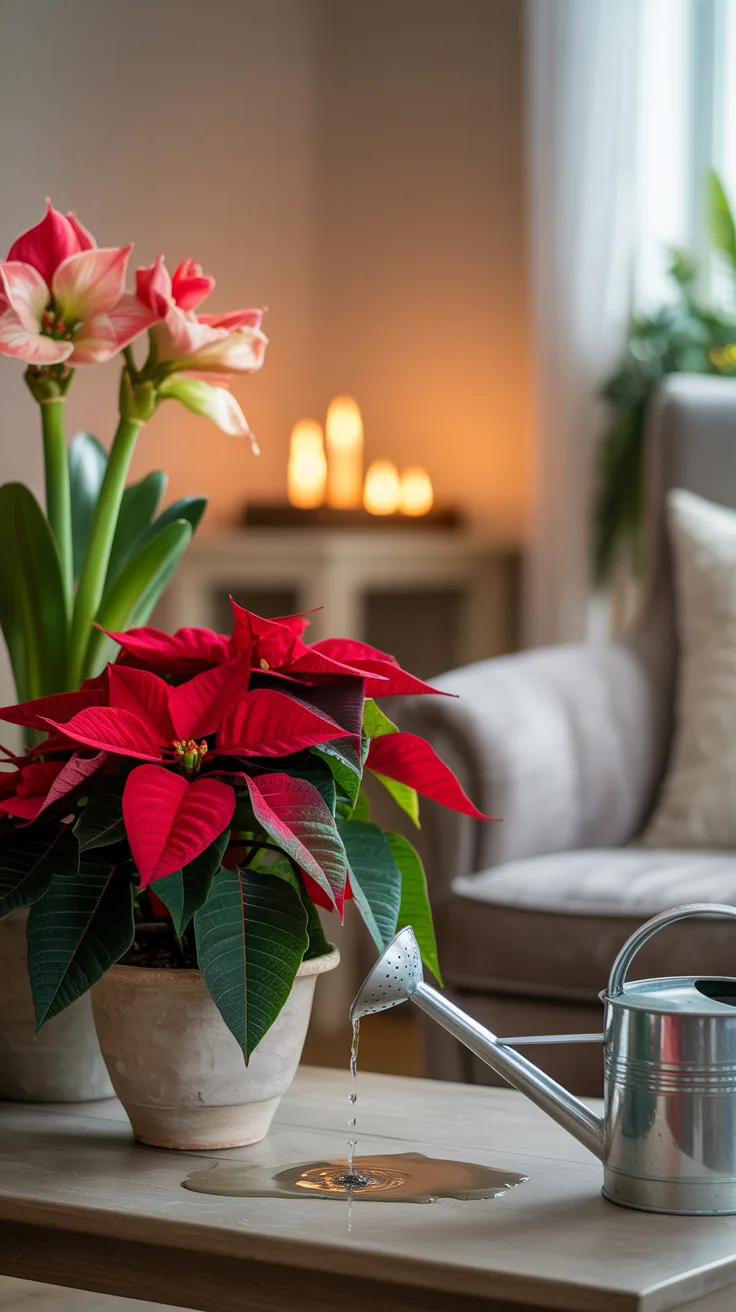
Keeping the right moisture level is the most important part of Christmas flower care. Too much water causes root rot, while too little leads to drooping, crisp leaves and dropped blooms.
Understanding Water Requirements
Different plants have different preferences:
- Poinsettia: Likes evenly moist soil. Water when the top 1 inch feels dry and always empty the saucer so it’s not sitting in water.
- Amaryllis: Keep soil slightly moist while the bulb is actively growing and blooming. Reduce watering once flowers fade.
- Christmas cactus: Prefers slightly moist soil but can tolerate light drying between waterings.
- Paperwhites: If grown in pebbles and water, keep the water just below the bottom of the bulbs so they don’t rot.
- Use your finger to test the soil before watering.
- Use room-temperature water to avoid shocking the roots.
- Adjust watering if the room is very warm or very dry from heaters.
Signs of Overwatering vs. Underwatering
Watching your plants closely makes it easier to correct problems early.
| Overwatering | Underwatering |
|---|---|
|
|
Pro tip: Most holiday plants come in decorative foil covers that trap water in the pot. Punch a few holes in the foil or remove it when watering so excess water can drain instead of sitting around the roots.
Optimal Light Conditions for Christmas Flowers
Light affects everything from bloom color to how long your flowers last. Too little light leads to weak growth; too much can scorch leaves or cause buds to drop.
Ideal Locations for Christmas Flowers
Here’s where to place your holiday plants for best results:
- Poinsettias: Bright, indirect light near a sunny window, but not pressed against cold glass or in direct midday sun.
- Amaryllis: A bright, sunny window is perfect while the flower stalk is growing and blooming.
- Christmas cactus: East-facing windows with bright morning light or filtered light behind sheer curtains.
- Paperwhites & cyclamen: Bright, cool rooms away from strong afternoon sun to extend blooming time.
Adjusting Light Based on Flower Type
- Rotate pots every few days so plants grow evenly and don’t lean toward the window.
- If your home is dark in winter, supplement with a simple
small LED grow light
placed a safe distance above the plants. - Move plants a bit farther from the window if leaves look bleached, scorched, or overly hot in the afternoon sun.
- Keep plants away from drafty doors, fireplaces, or heat vents that can undo your good light conditions.

View on AmazonAs an Amazon Associate, I earn from qualifying purchases.

View on AmazonAs an Amazon Associate, I earn from qualifying purchases.
Temperature, Drafts, and Humidity
Holiday plants generally like the same temperatures we do: not too hot, not too cold.
- Aim for 60–75°F (16–24°C) for most Christmas flowers.
- Avoid placing plants on top of radiators or directly in front of heating vents.
- Keep them away from frequently opened exterior doors that let in blasts of cold air.
If your home is very dry in winter, a light daily mist can help – especially for poinsettias and cyclamen. Use a fine-mist spray bottle or a
plant mister
to lightly mist leaves in the morning so they dry before night.
Fertilizing and Nutrition Needs
Most holiday plants are already fertilized at the greenhouse, so you don’t need to feed them right away. In fact, heavy fertilizing in December can do more harm than good.
Best Fertilizers for Holiday Blooms
Once the holiday season is over and you’ve decided to keep your plants long-term, use a gentle, balanced fertilizer:
- Houseplant fertilizer (balanced, like 10-10-10 or 20-20-20): Good for Christmas cactus and green foliage after blooms fade.
- Bloom-booster fertilizer (higher phosphorus): Useful in spring and summer if you’re trying to rebloom poinsettias or amaryllis.
- Organic liquid options: Seaweed or fish emulsion for a gentler, slow-and-steady nutrient boost.
A simple all-purpose
indoor houseplant fertilizer
is usually enough if you’re keeping a few holiday plants going into spring.
Frequency of Application
- Skip fertilizer for the first 4–6 weeks after purchase while the plant is blooming.
- Starting in late winter or early spring, feed once a month at half the recommended strength.
- Stop fertilizing in late summer if you’re preparing plants (like poinsettias) for a rest period.
Pro tip: When in doubt, under-fertilize. Too much fertilizer can burn roots and shorten the life of your Christmas flowers.
Maintenance Tips and Best Practices
Good basic maintenance keeps your festive flowers looking fresh and extends their life well beyond Christmas Day.
Pruning and Deadheading
- Remove faded blooms promptly to encourage more flowers (especially on Christmas cactus and cyclamen).
- Trim off yellow, damaged, or wilted leaves so the plant can focus energy on healthy growth.
- For amaryllis, cut the flower stalk down to the top of the bulb once all blooms have faded, but keep the leaves – they feed the bulb for next year.
Encouraging a Longer Lifespan
- Check plants daily for water needs, pests, or sudden leaf drop.
- Dust leaves gently with a soft cloth so they can absorb more light.
- Group plants together to slightly increase humidity around them.
Preparing for Post-Holiday Transition
When the holidays are over:
- Move plants away from direct heat and intense decorations like hot string lights.
- Gradually reduce watering for plants that need a rest period (like amaryllis bulbs between blooming cycles).
- Consider repotting long-term keepers into slightly larger pots with fresh potting mix in spring.
Pro tip: Don’t feel pressured to keep every plant forever. It’s perfectly okay to enjoy some as seasonal decorations and keep only your favorites for long-term care and reblooming.
FAQ
How do I select the right Christmas flowers for my home?
Think about your light levels, temperature, and how much time you want to spend on care. Poinsettias and paperwhites are great “display and enjoy” plants. Christmas cacti and amaryllis are better if you enjoy caring for plants and want them to return next year.
How often should I water my Christmas flowers?
There’s no single schedule that works for every plant. Instead, check the soil with your finger. For most Christmas flowers, water when the top 1–2 inches feel dry. Always pour out excess water from the saucer so roots aren’t sitting in it.
What are the ideal light conditions for Christmas flowers?
Most Christmas plants prefer bright, indirect light. Amaryllis enjoys a bit more sun, while Christmas cactus and poinsettias prefer filtered or indirect light. Avoid dark corners and harsh, hot afternoon sun.
How do I fertilize my Christmas flowers?
Skip fertilizer while plants are in full bloom over the holidays. If you keep them afterward, start a light, monthly feeding in late winter with a balanced houseplant fertilizer diluted to half strength.
What maintenance tips should I follow to keep my Christmas flowers healthy?
Remove spent blooms, trim damaged leaves, keep plants away from drafts and heat sources, rotate them for even light, and check for pests. Small, consistent actions go much further than big “rescue” efforts later.