Introduction to Easter Flower Table Settings
There’s something magical about gathering around a beautifully decorated table during Easter. I’ve always believed that flowers have this incredible power to transform an ordinary meal into a memorable celebration. Over the years, I’ve experimented with countless Easter flower table settings, and I’ve learned that the right floral arrangement can truly set the tone for your entire gathering.
Easter arrives when spring is in full bloom, making it the perfect opportunity to bring nature’s beauty indoors. Whether you’re hosting a formal brunch or a casual family dinner, the flowers you choose and how you arrange them can create an atmosphere of warmth, renewal, and joy. In this article, I’m excited to share five elegant ideas that I’ve personally tried and loved, along with some lessons I’ve learned along the way.
Classic White and Pastel Arrangement
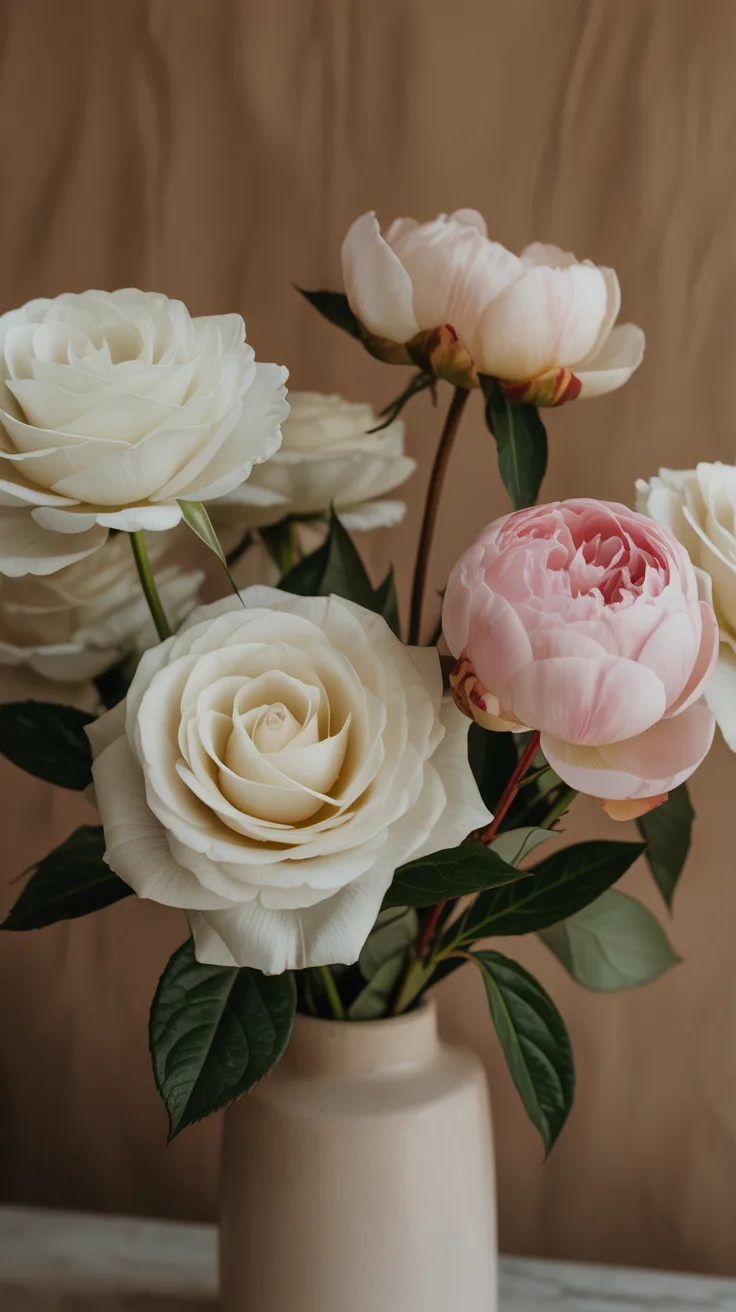
When I think of timeless elegance, my mind immediately goes to white and pastel floral arrangements. There’s a reason this combination has remained popular for generations – it simply works. The softness of pastel hues paired with crisp white flowers creates a sophisticated yet welcoming atmosphere that feels quintessentially Easter.
I remember the first time I attempted this look. I went overboard with too many flower varieties, and the arrangement looked cluttered rather than elegant. The key, I discovered, is restraint. Choose two or three complementary flowers and let them shine.
Flowers That Work Beautifully Together
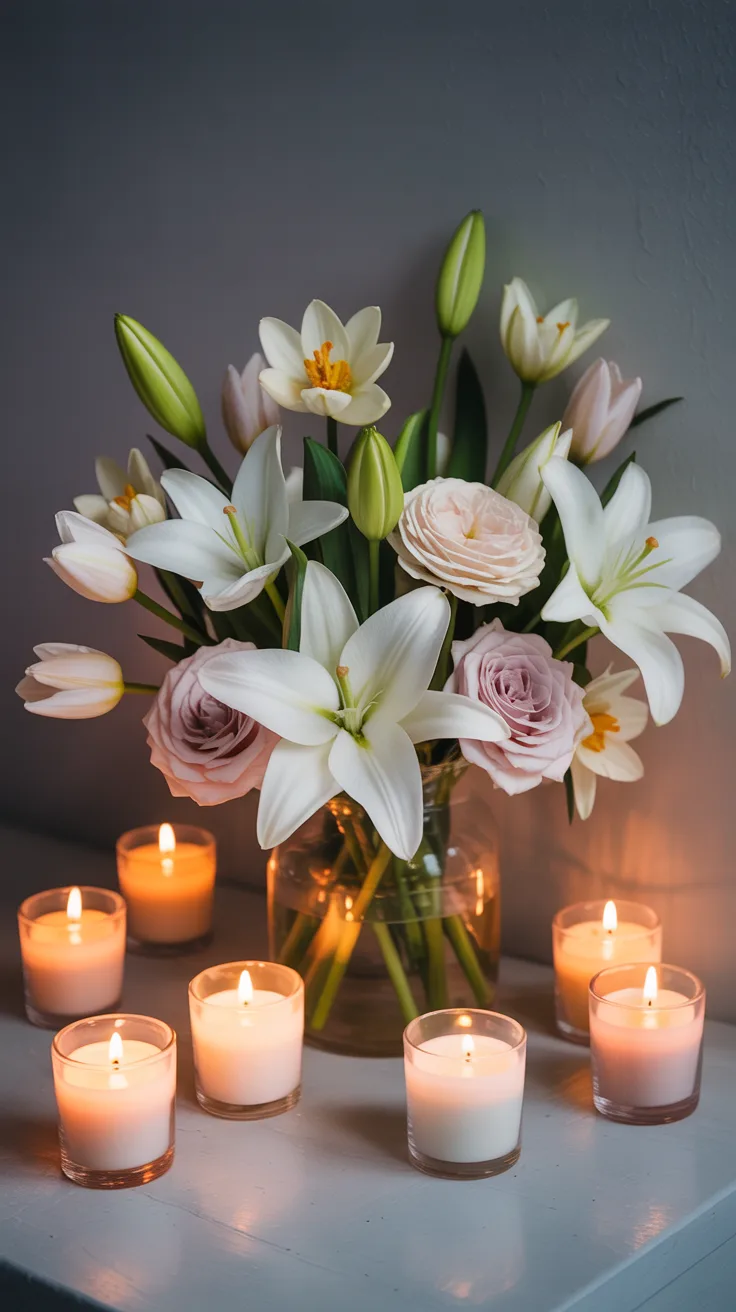
- White lilies – These serve as stunning focal points with their dramatic blooms
- Pastel tulips – Available in soft pink, lavender, and peach tones
- Daffodils – Their cheerful yellow centers add a subtle pop of color
- White ranunculus – Delicate layers of petals for added texture
- Pale pink roses – Classic and romantic
Pro Tip: Place small votive candles in clear glass holders around your arrangement. When lit during dinner, they create a warm, romantic glow that makes your pastel flowers look absolutely ethereal.
Rustic Charm with Wildflowers
If you’re like me and appreciate a more relaxed, countryside aesthetic, wildflower arrangements might be your perfect match. I fell in love with this style after visiting a friend’s farmhouse for Easter one year. Her table looked like something straight out of a magazine, yet she’d simply gathered flowers from her garden that morning.
The beauty of wildflower arrangements lies in their imperfection. Unlike formal arrangements, these are meant to look a bit untamed and natural. This approach is also wonderfully forgiving for beginners – there’s really no wrong way to arrange wildflowers.
Creating Your Rustic Centerpiece
- Daisies – The quintessential wildflower with timeless appeal
- Lavender – Adds fragrance and a lovely purple hue
- Baby’s breath – Perfect for filling gaps and adding airiness
- Queen Anne’s lace – Delicate and whimsical
- Chamomile – Sweet and understated
For containers, skip the fancy vases. Mason jars wrapped with burlap and twine are my go-to choice. Vintage milk bottles, old tin cans, or even repurposed wine bottles work wonderfully too. I once made the mistake of using containers that were too tall, which made conversation across the table difficult. Keep your arrangements low enough that guests can see each other!
Pro Tip: Scatter some loose flower petals or small blooms directly on the table runner for an effortlessly romantic touch that takes just seconds to achieve.
Modern Minimalist Easter Flower Table Settings with Succulents
For those who prefer clean lines and contemporary aesthetics, succulents offer a refreshing departure from traditional floral arrangements. I’ll admit, I was skeptical when I first tried this approach. Succulents for Easter? It seemed unconventional. But the result was stunning – and practical.
Unlike cut flowers, succulents last well beyond your Easter celebration. They require minimal maintenance, making them ideal if you’re already juggling cooking and hosting duties. Plus, they serve as beautiful gifts for guests to take home.
Designing Your Minimalist Arrangement
| Succulent Type | Characteristics | Best Container |
|---|---|---|
| Echeveria | Rose-shaped, pastel colors | Geometric terrariums |
| Sempervivum | Compact rosettes, varied colors | Concrete planters |
| Haworthia | Striped leaves, unique texture | Clear glass containers |
| Sedum | Trailing varieties, soft appearance | Hanging glass orbs |
I learned that the secret to making succulents feel Easter-appropriate is in the styling. Add decorative moss, pastel-colored pebbles, or small ceramic bunnies to your arrangement. The contrast between the modern succulents and traditional Easter elements creates an interesting visual dialogue.
Pro Tip: Use white or neutral tableware and linens to let your succulent arrangements take center stage. Too many competing colors can make the table feel chaotic rather than curated.
Vibrant Spring Blooms
Sometimes, subtle just isn’t your style – and that’s perfectly okay! Easter is a celebration of new life and energy, and there’s no better way to express that than with bold, vibrant spring blooms. This is my favorite approach when I’m hosting a larger gathering with children, as the bright colors create an instantly festive atmosphere.
The trick with colorful arrangements is achieving balance. I once created a centerpiece using every bright flower I could find, and it looked more like a circus than an elegant table setting. Now I stick to a color palette of three to four complementary shades.
Building a Colorful Masterpiece
- Bright tulips – Available in virtually every color imaginable
- Hyacinths – Fragrant and available in purple, pink, and blue
- Peonies – Lush, romantic, and perfect for spring
- Ranunculus – Layer upon layer of colorful petals
- Anemones – Striking dark centers with vibrant petals
Don’t forget to incorporate greenery! Ferns, eucalyptus, and Italian ruscus add texture and help ground all those beautiful colors. I like to let some greenery trail onto the table for a more organic, garden-fresh look.
Pro Tip: Create a cohesive look by pulling one color from your floral arrangement into your napkins, place cards, or table runner. This simple trick makes your entire table setting feel intentionally designed.
Eco-Friendly Floral Arrangements
As I’ve become more conscious of my environmental impact, I’ve started rethinking how I approach Easter flower table settings. Cut flowers, while beautiful, often travel thousands of miles and have a significant carbon footprint. Fortunately, there are wonderful eco-friendly alternatives that are just as stunning.
My favorite sustainable approach is using potted plants instead of cut flowers. Not only do they last longer, but guests can take them home and enjoy them for months – or even years – to come. It’s a gift that keeps on giving.
Sustainable Choices for Your Table
- Potted primroses – Colorful and easy to care for
- Mini potted roses – Elegant and can be planted outdoors later
- Potted herbs – Rosemary, thyme, and lavender add fragrance and function
- Forced bulbs – Hyacinths and paperwhites in decorative pots
- Locally grown seasonal flowers – Support local farmers and reduce transportation impact
When I do use cut flowers, I source them from local farmers’ markets or even my own garden. I’ve also started using biodegradable floral foam alternatives and recycled glass vases. Small changes add up!
Pro Tip: Create small cards explaining the care instructions for each potted plant. Place them at each setting so guests know exactly how to keep their new plant thriving at home.
Conclusion
Creating beautiful Easter flower table settings doesn’t require professional florist skills or an unlimited budget. Whether you’re drawn to classic pastels, rustic wildflowers, modern succulents, vibrant blooms, or eco-friendly options, the most important thing is to choose an approach that reflects your personal style and makes your guests feel welcome.
I encourage you to experiment and have fun with your arrangements. Some of my most memorable table settings came from happy accidents and last-minute improvisations. Trust your instincts, embrace imperfection, and remember that the flowers are just one part of what makes Easter special – it’s really about the people gathered around your table.
Frequently Asked Questions
What are the best flowers for Easter table settings?
The most popular choices include lilies (especially Easter lilies), tulips, daffodils, hyacinths, and peonies. These flowers are readily available in spring and come in colors that perfectly complement the Easter palette of pastels and bright spring hues.
How can I make my Easter table setting eco-friendly?
Opt for locally sourced flowers from farmers’ markets, use potted plants instead of cut flowers, choose recycled or biodegradable containers, and avoid floral foam which doesn’t break down. You can also encourage guests to take plants home to extend their life.
What colors are best for an Easter flower arrangement?
Traditional Easter colors include soft pastels like pink, lavender, pale yellow, and mint green, along with crisp white. However, vibrant spring colors like coral, bright yellow, and purple also work beautifully for a more energetic celebration.
How do I keep flowers fresh for my Easter table setting?
Change the water daily, trim stems at a 45-degree angle every few days, remove any leaves that fall below the waterline, keep arrangements away from direct sunlight and heat sources, and add flower food to the water if available.
Can succulents be used in Easter table decorations?
Absolutely! Succulents offer a modern, minimalist approach to Easter decorating. They’re low-maintenance, long-lasting, and can be styled with Easter elements like decorative moss, pastel pebbles, or small figurines to create a contemporary yet festive look.