Introduction to Easter Flower Traditions
There’s something magical about walking into a home filled with fresh flowers during Easter weekend. I still remember my grandmother’s house every spring – the sweet fragrance of lilies mixing with the smell of her famous honey-glazed ham. Those memories shaped my deep appreciation for Easter flower traditions in America, and over the years, I’ve come to understand just how meaningful these blooms really are.
Easter marks a season of renewal, hope, and celebration across the country. And honestly, what better way to capture that spirit than with flowers? They’re nature’s way of announcing that winter is finally behind us and brighter days are ahead. Whether you’re decorating your church, setting up a stunning centerpiece, or simply bringing a pop of color to your kitchen table, flowers have become an essential part of how we celebrate this beloved holiday.
Let me take you on a colorful journey through seven beautiful Easter flower traditions that have captured the hearts of Americans for generations. Trust me, by the end of this, you’ll be itching to visit your local florist!
The Symbolism of Easter Lilies
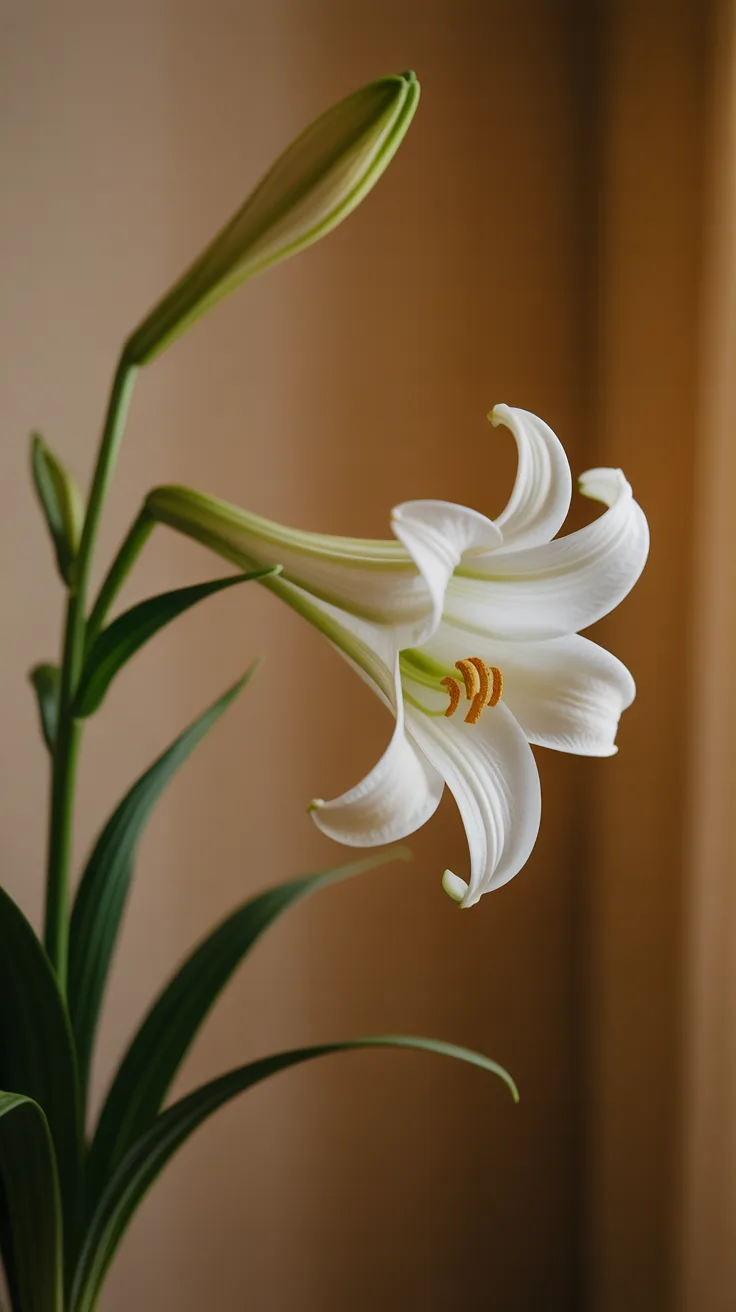
If there’s one flower that screams “Easter,” it’s the stunning white Easter lily. I made the mistake once of waiting until Easter Sunday to buy these beauties – big mistake! They were completely sold out everywhere. Lesson learned: get your lilies early.
Easter lilies carry profound symbolism that resonates deeply with the spiritual meaning of the holiday. Their trumpet-shaped white blooms represent purity, virtue, and the resurrection of Christ. The way they emerge from a humble bulb buried in the earth mirrors the story of rebirth and new life that Easter celebrates.
What many people don’t realize is that Easter lilies weren’t always an American tradition. They were brought to the United States from Japan in the late 1800s and didn’t become associated with Easter until after World War I. Today, nearly all Easter lilies sold in America are grown in a small region along the California-Oregon border – pretty fascinating, right?
Pro Tip: When selecting Easter lilies, look for plants with buds at various stages of opening. This way, you’ll enjoy blooms throughout the entire Easter season rather than having them all open at once.
Tulips: A Springtime Favorite
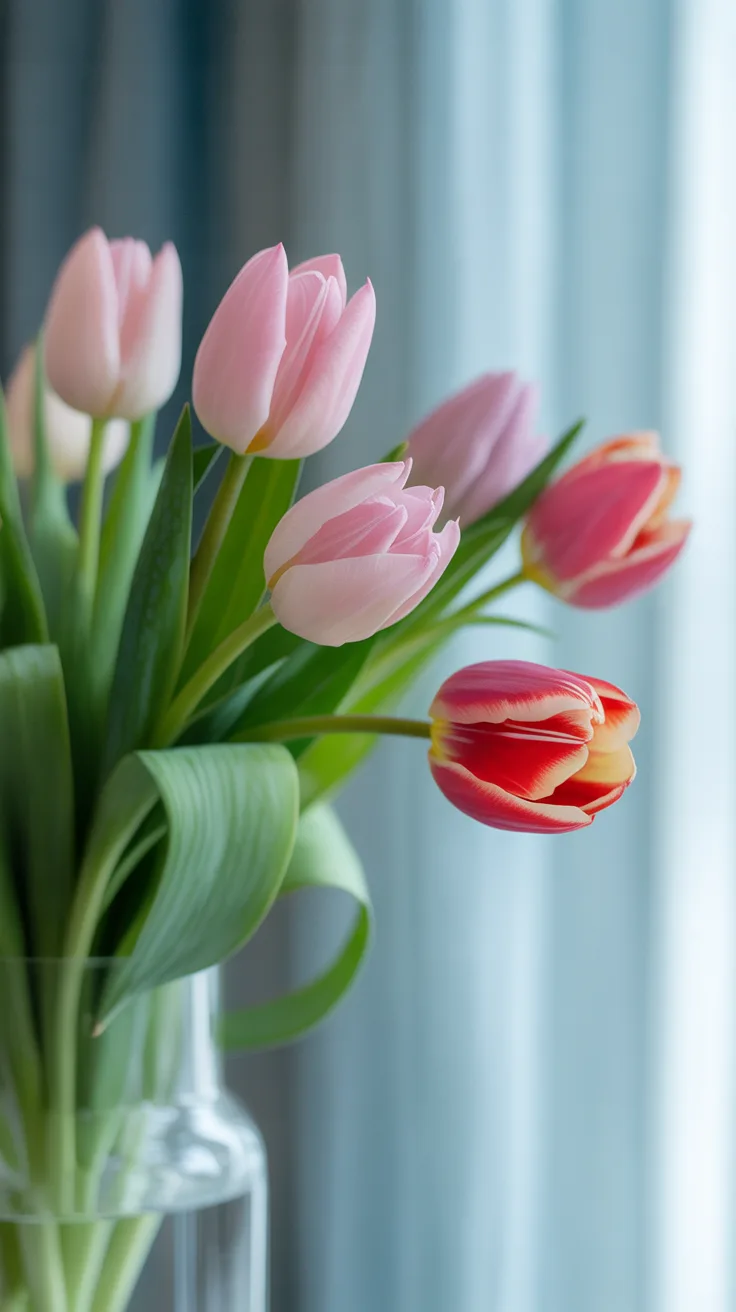
Oh, tulips! These gorgeous flowers have stolen my heart more times than I can count. There’s just something about their elegant cup-shaped blooms and incredible range of colors that makes them perfect for Easter celebrations.
Tulips symbolize perfect love and the arrival of spring, which aligns beautifully with Easter’s themes of renewal and new beginnings. They come in virtually every color imaginable – from soft pastels to vibrant reds and even dramatic black varieties. This versatility makes them incredibly popular for Easter arrangements.
I love mixing different tulip colors in a simple glass vase for my Easter table. The effect is stunning without being overwhelming. Plus, tulips have this wonderful quality where they continue to grow and move even after being cut, creating a dynamic arrangement that changes throughout the week.
Pro Tip: Tulips are thirsty flowers! Check their water level daily and add fresh water as needed. They can drink a surprising amount, and keeping them hydrated will extend their vase life significantly.
Daffodils and Their Cheerful Appeal
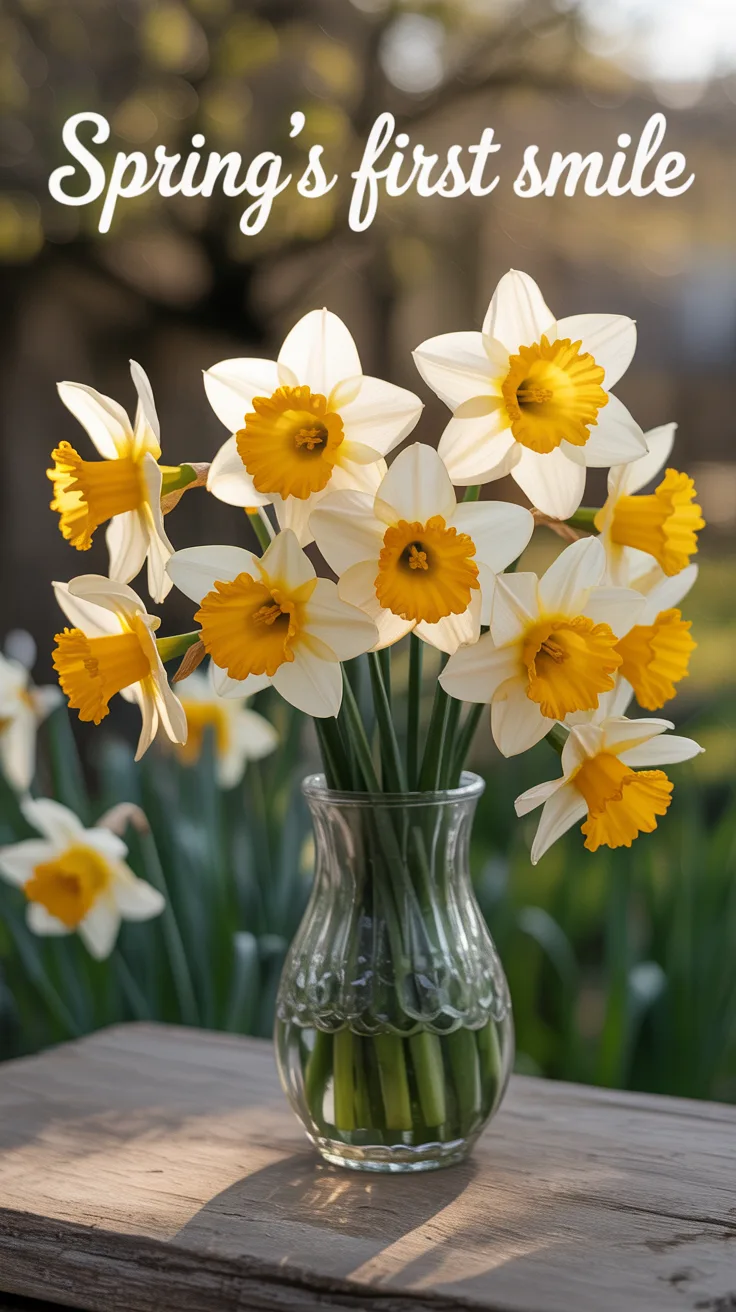
Nothing says “spring has sprung” quite like a bunch of bright yellow daffodils. These cheerful flowers are like little rays of sunshine, and they’ve been part of Easter flower traditions in America for as long as anyone can remember.
Daffodils symbolize rebirth, new beginnings, and eternal life – all themes that resonate powerfully during Easter. In many parts of the country, they’re among the first flowers to bloom after winter, making them natural harbingers of the season.
Here’s something I learned the hard way: don’t mix freshly cut daffodils with other flowers immediately. They release a sap that can shorten the life of other blooms. Let them sit in their own water for about 24 hours first, then you can combine them with other flowers safely.
Pro Tip: Plant daffodil bulbs in your garden in the fall, and you’ll have a beautiful display that returns year after year. They’re incredibly low-maintenance and multiply over time!
Hyacinths: Fragrant Symbols of Rebirth
If you’ve never experienced the intoxicating fragrance of hyacinths, you’re missing out on one of spring’s greatest pleasures. These densely-packed flower clusters come in gorgeous shades of purple, pink, white, and blue, and their scent can fill an entire room.
Hyacinths represent constancy, sincerity, and the joy of spring. They’re particularly meaningful during Easter because they symbolize the peace of mind that comes with spiritual renewal. I always keep at least one potted hyacinth in my home during Easter week – the fragrance alone puts me in a celebratory mood.
These flowers are wonderful for both indoor and outdoor Easter decorations. Potted hyacinths make excellent gifts, and after they’ve finished blooming, you can plant them in your garden where they’ll return the following year.
Pro Tip: If the hyacinth fragrance becomes too strong indoors, simply move the plant to a cooler location. This will slow down the blooming process and reduce the intensity of the scent.
Azaleas: A Southern Easter Tradition
Growing up with family in the South, I quickly learned that azaleas and Easter go together like sweet tea and front porches. These spectacular flowering shrubs burst into bloom right around Easter time, creating breathtaking displays of pink, red, white, and coral.
In Southern states, azaleas hold a special place in Easter flower traditions. Cities like Charleston, Savannah, and Mobile are famous for their stunning azalea displays, and many families have azalea bushes that have been part of their Easter celebrations for generations.
Azaleas symbolize temperance, passion, and taking care of yourself – a lovely reminder during the busy Easter season. Whether used in outdoor landscaping or brought inside as potted plants, they add a touch of Southern elegance to any Easter celebration.
Pro Tip: If you receive a potted azalea as an Easter gift, keep it in bright, indirect light and water it when the soil feels dry. After the danger of frost has passed, you can plant it outdoors where it will bloom for years to come.
Creating Beautiful Easter Floral Arrangements
Now that we’ve explored these wonderful flowers, let me share some practical advice for creating your own stunning Easter arrangements. I’ve made plenty of mistakes over the years (like that time I used a vase that was way too small and everything toppled over during Easter brunch), so hopefully, my experience can help you avoid similar disasters!
Essential Tips for Easter Flower Success
- Start with a clean vase – bacteria is the enemy of fresh flowers, so wash your vase thoroughly before use
- Cut stems at an angle – this increases the surface area for water absorption
- Remove leaves below the waterline – submerged foliage promotes bacterial growth
- Change water every two days – fresh water keeps flowers happy and healthy
- Keep arrangements away from fruit – ripening fruit releases ethylene gas, which shortens flower life
- Avoid direct sunlight and heat sources – cool locations help flowers last longer
Color Combinations That Work Beautifully
| Style | Color Palette | Suggested Flowers |
|---|---|---|
| Classic Easter | White, pale pink, soft yellow | Lilies, tulips, daffodils |
| Vibrant Spring | Purple, orange, bright pink | Hyacinths, tulips, ranunculus |
| Elegant & Simple | All white | Lilies, white tulips, white hydrangeas |
| Garden Fresh | Mixed pastels | Sweet peas, roses, peonies |
Frequently Asked Questions
What flowers are traditionally associated with Easter?
Easter lilies, tulips, daffodils, hyacinths, and azaleas are the most traditional Easter flowers in America. Each carries symbolic meaning related to renewal, purity, and new beginnings that align with the holiday’s themes.
How can I make my Easter flowers last longer?
Keep flowers in fresh, clean water, trim stems every few days, remove any wilting blooms promptly, and place arrangements in cool locations away from direct sunlight and heat sources. Using flower food packets can also extend their life.
Are there any specific colors for Easter flowers?
Pastel colors like soft pink, lavender, pale yellow, and white are traditional Easter choices. However, any spring colors work beautifully – there are no strict rules, so feel free to choose what brings you joy!
Can I use artificial flowers for Easter decorations?
Absolutely! High-quality artificial flowers have come a long way and can be a practical, long-lasting option. They’re especially useful for outdoor decorations or if anyone in your household has allergies.
What is the best way to arrange an Easter bouquet?
Start by selecting a focal flower (like lilies or large tulips), then add complementary blooms in varying heights. Fill gaps with smaller flowers and greenery. Work in odd numbers for a more natural, visually appealing arrangement.